


LG Kavinder Gupta unveils ‘Celebrate Ladakh’ calendar; Nine UT-Level festivals declared
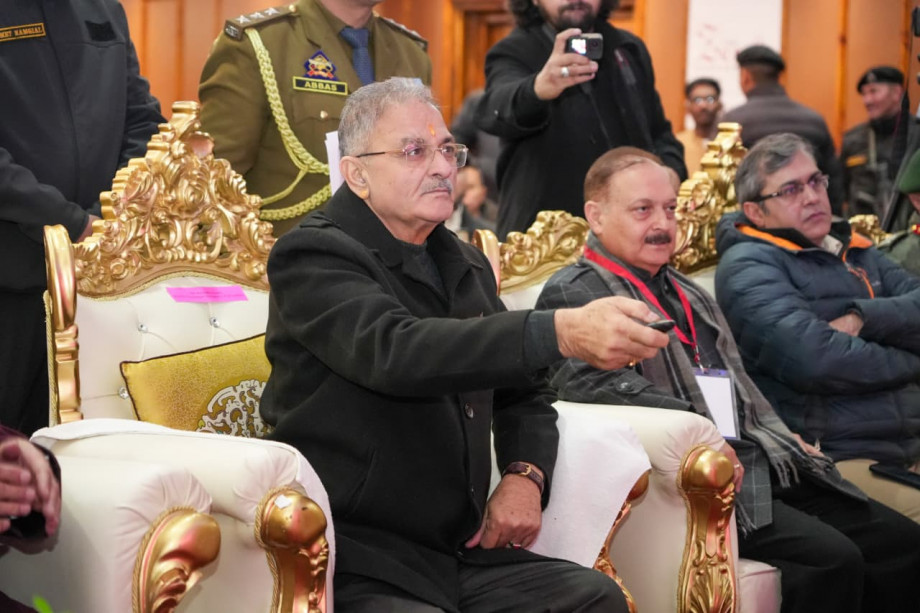
Lieutenant Governor of Ladakh, Kavinder Gupta, on December 17 inaugurated the ‘Celebrate Ladakh’ Tourism Calendar, prepared by the Department of Tourism, UT Ladakh, marking a significant step towards strengthening Ladakh’s cultural branding and promoting year-round tourism in the Union Territory.
On the occasion, the UT Administration also announced the declaration of nine UT-Level Festivals, aimed at creating a structured and globally recognisable tourism identity for Ladakh.
Secretary, Tourism, Sanjit Rodrigues, stated that while Ladakh hosts over seventy festivals across districts and seasons, the lack of a clearly defined festival hierarchy has led to fragmented branding, limited national visibility, and inconsistent promotion. To address this, the Department of Tourism has identified nine high-impact festivals to be designated as UT-Level Festivals, with locations and dates fixed for the next three years. The selection is based on cultural significance, tourism potential, geographic spread, economic impact, and alignment with national and international tourism calendars.
The nine UT-Level Festivals include:
• Apricot Blossom Festival
• Ladakh Astro Week
• Changthang Nomadic Festival
• Suru Summer Festival
• Zanskar Festival
• Ladakh Festival
• Himalayan Film Festival
• Ladakh Bike Week
• Ethnic Food Festival
Director, Tourism, Tsering Paldan, said the initiative will enable tour operators, travel platforms, media partners, and airlines to promote Ladakh more effectively as a year-round tourism destination through predictable and well-publicised events. He added that two flagship festivals—the Ladakh Festival in Leh and the Suru Summer Festival in Kargil—have been proposed for national-level promotion under the Ministry of Tourism’s “Two Festivals per State” scheme, with partial central support to maximise visibility and tourist inflow.
“While these nine festivals will receive priority branding, marketing support, and coordinated resource allocation, all other local and regional festivals—approximately seventy—will continue to be celebrated according to community traditions and district-level planning,” he said.
Festivals such as the Zanskar Festival, Changthang Nomadic Festival, and Himalayan Film Festival will be organised in close coordination with the Departments of Culture and Information, ensuring unified branding under the “Ladakh Tourism” identity while respecting departmental mandates.
The declaration of fixed festival dates for three years is expected to significantly enhance inter-departmental coordination, enable timely promotional campaigns, and eliminate challenges arising from ad-hoc scheduling. By prioritising these UT-Level Festivals, the UT Administration aims to strengthen Ladakh’s cultural appeal, attract domestic and international tourists, and generate sustained economic opportunities for local communities.
Through the launch of the ‘Celebrate Ladakh’ Calendar and the structured festival framework, Ladakh has taken a decisive step towards harmonising its rich cultural traditions with strategic tourism promotion, reinforcing its position as a premier destination for culture, adventure, gastronomy, and sustainable tourism.
-
 Reach Ladakh Skara Yokma, Airport Road, Near Councillor Quarter, India.


© 2018 Reachladakh. All rights reserved.
Web designs By : India Internet