


Ladakh moves towards India’s first geothermal energy project L-G approves extension of MoU with ONGC for clean energy initiative in Puga Valley
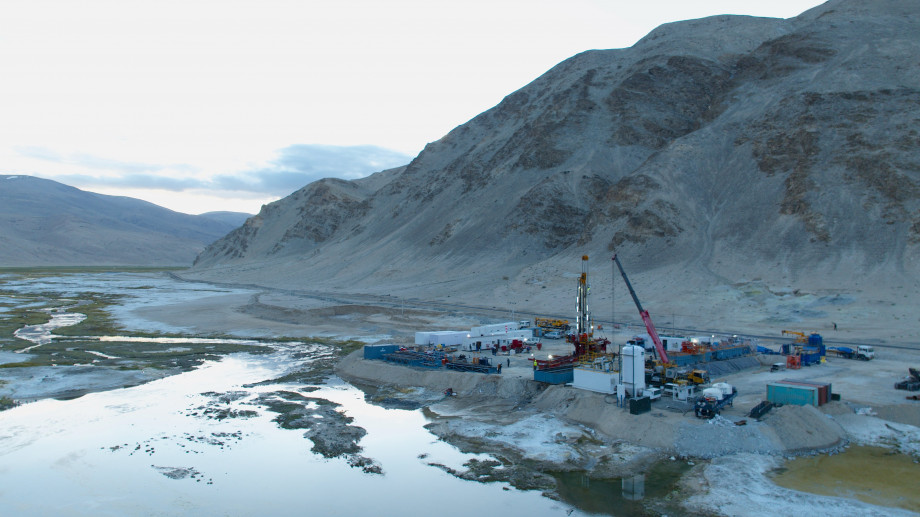
Ladakh is poised for a major clean energy transformation with the launch of India’s first commercial geothermal energy exploration project in the Puga Valley region. Lieutenant Governor Vinai Kumar Saxena has approved a five-year extension of the Memorandum of Understanding (MoU) with the Oil and Natural Gas Corporation (ONGC) for setting up the country’s first geothermal power project in Ladakh.
The project, to be developed at an altitude of over 14,000 feet in Puga Valley, is being seen as a milestone in India’s renewable energy sector.
The earlier tripartite MoU signed on February 6, 2021, between the Ladakh Administration, LAHDC Leh, and the ONGC Energy Centre had expired on February 5, 2026. ONGC had sought an extension citing incomplete work due to extreme weather conditions and challenging terrain in the region.
Recognising the strategic and environmental importance of the project, the Lieutenant Governor approved the extension of the agreement for another five years.
Under the MoU, ONGC will establish a 1 MWe pilot geothermal power plant in Puga Valley and prepare a Detailed Project Report (DPR) for large-scale commercial exploitation of geothermal energy in Ladakh.
Geothermal energy is generated by harnessing heat from beneath the Earth’s crust. The heat, produced naturally within the planet’s core, warms underground rocks and water reservoirs, creating a renewable source of energy. India currently does not have any large-scale commercial geothermal power plant, making the Puga Valley project the first initiative of its kind in the country.
According to the agreement, ONGC Energy Centre will deepen the existing geothermal well up to 1,000 metres during the 2026 working season. Another geothermal well of similar depth will be drilled in the next phase of the project. Testing, evaluation, and commissioning of the pilot power plant are expected during the financial year 2026–27.
In Phase II, extensive geothermal surveys and scientific investigations will also be conducted in the Chumathang area, followed by drilling activities and preparation of a DPR for commercial-scale geothermal development across Ladakh.
The Puga Valley and Chumathang regions fall within the Himalayan geothermal belt, where tectonic plate activity generates intense underground heat. Test wells drilled in Puga Valley have reportedly tapped high-pressure steam and hot fluids, recording temperatures exceeding 200 degrees Celsius at depths of around 400 metres.
Officials said the geothermal initiative, alongside Ladakh’s growing solar energy projects, could significantly reduce dependence on conventional fuels, lower carbon emissions, and position Ladakh as a leading renewable energy hub in India.
“The geothermal energy project in Puga Valley has the potential to become a game changer for Ladakh and a landmark initiative in India’s clean energy journey,” Lieutenant Governor Vinai Kumar Saxena said.
“Sustainably harnessing geothermal energy will not only strengthen Ladakh’s energy security but also significantly contribute towards the vision of making Ladakh a carbon-neutral and environmentally sustainable region. This MoU extension is crucial for completing scientific exploration and laying the foundation for large-scale geothermal power generation in Ladakh,” he added.
Despite harsh climatic conditions, difficult terrain, and technical challenges, ONGC successfully drilled the first geothermal well to a depth of 405 metres in 2025, making it the deepest geothermal well drilled in Ladakh so far.
Geothermometric studies and geothermal sample analysis revealed subsurface temperatures exceeding 240 degrees Celsius — considered suitable for geothermal power generation. The proposed pilot plant is expected to operate at a turbine inlet temperature of approximately 200 degrees Celsius, with a targeted generation capacity of 1 MW.
-
 Reach Ladakh Skara Yokma, Airport Road, Near Councillor Quarter, India.


© 2018 Reachladakh. All rights reserved.
Web designs By : India Internet