


Ladakh Festival 2026 celebrates Ladakh’s rich culture, heritage and growing tourism potential
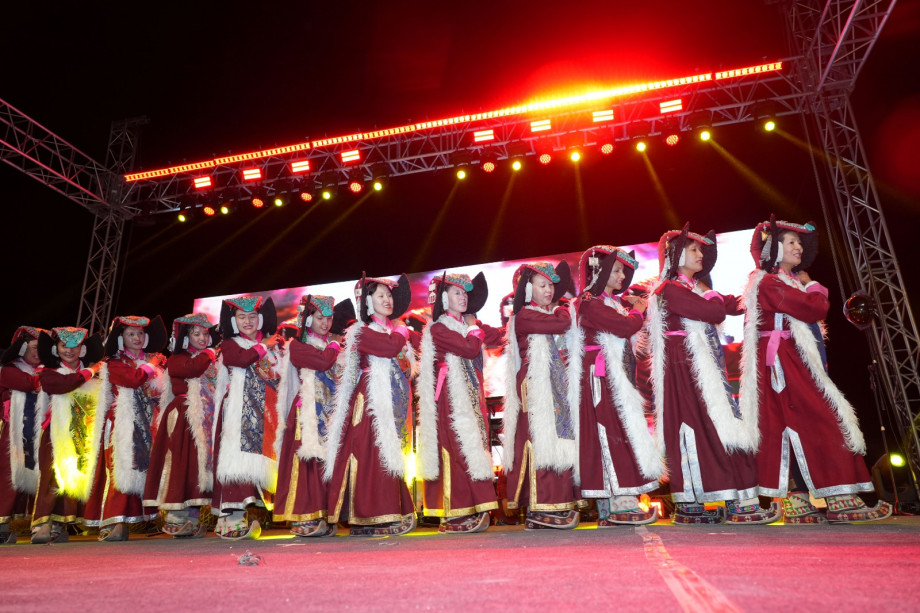
The three day Ladakh Festival 2026 concluded in Leh after showcasing the region’s rich cultural heritage, traditional lifestyle, local cuisine, handicrafts, sports and emerging tourism experiences, while bringing together artists and cultural groups from Ladakh and different parts of India.
The festival was inaugurated on September 27 at the Polo Ground, Leh, by Lieutenant Governor of Ladakh Vinai Kumar Saxena, in the presence of a large gathering of spectators. The three day celebration aimed to highlight Ladakh’s living heritage, cultural identity and diverse tourism potential.
Over the years, the Ladakh Festival has evolved into an important platform for showcasing the region’s unique traditions, landscapes, hospitality and cultural heritage to visitors from across India and abroad.
This year’s festival featured a wide range of activities, including handicraft and handloom exhibitions, local cuisine, live demonstrations, photography exhibitions, traditional archery, astronomy and stargazing activities, mask dances, short film screenings, river rafting, polo matches and a sound and light show.
The festival also placed a strong focus on Ladakh’s traditional arts and community participation, with cultural groups from different parts of the Union Territory presenting their local traditions, folk music and dances.
The second day of the festival witnessed a series of vibrant cultural performances, drawing enthusiastic participation from both artists and audiences. Performers from different regions presented their traditional music and folk dances, reflecting India’s cultural diversity.
Artists from the North Zone, including Punjab, Himachal Pradesh and Haryana, presented traditional folk performances, while artists from the Andaman and Nicobar Islands showcased the distinctive cultural traditions of the island region.
The evening programme also featured a special performance by the Ladakh Scouts Band, which added to the energy of the celebrations. Cultural groups from villages across Ladakh further highlighted the region’s diverse folk heritage, music and dance.
The festival also coincided with a significant rise in tourist arrivals to Ladakh. According to the UT Administration, as of September 16, 2026, Ladakh had recorded 4.37 lakh tourist arrivals, a figure already higher than the total tourist arrivals recorded during the entire year of 2025.
The final day continued with cultural performances, music and dance, bringing together artists, performers, cultural groups, local communities, visitors and guests. The concluding evening featured performances representing different cultural traditions and marked the culmination of the three day celebration.
The Ladakh Festival 2026 provided a platform for cultural exchange and community participation while showcasing Ladakh’s traditions, local talent and tourism experiences. The festival concluded with audiences responding enthusiastically to the performances and celebrations, marking the end of three days dedicated to culture, heritage, tourism and the diverse traditions of Ladakh and India.
-
 Reach Ladakh Skara Yokma, Airport Road, Near Councillor Quarter, India.


© 2018 Reachladakh. All rights reserved.
Web designs By : India Internet