


Khidmat-e-Awaam camp held in Raru-Munay, multiple services delivered at doorstep
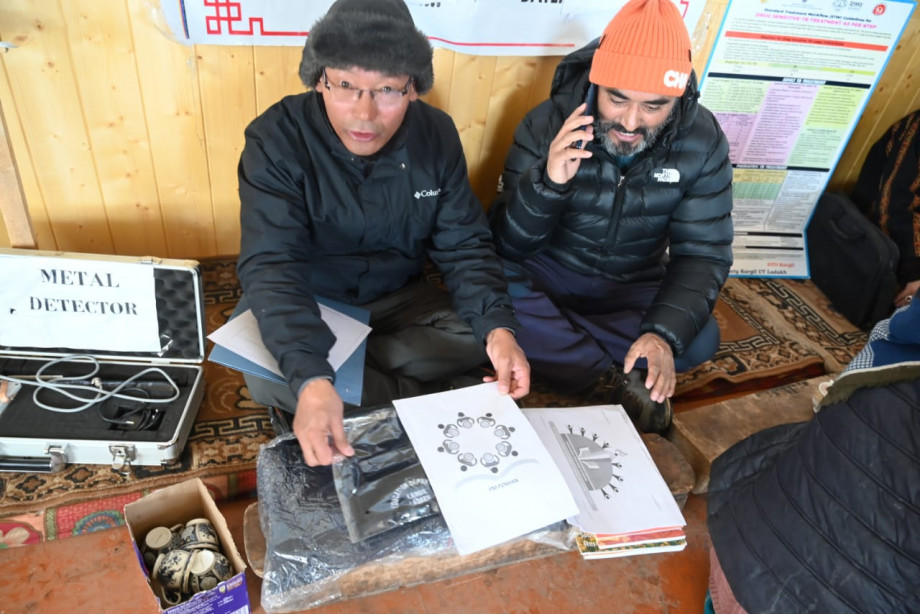
A Khidmat-e-Awaam and Shaam-e-Awaam outreach camp was organised at Raru-Munay Panchayat Halqa under the “Prashasan Gaon Ki Ore” campaign in Zanskar Sub-Division on March 18.
The programme commenced with an introductory address by Nodal Officer, Er. Furman Ali, who briefed residents about various government schemes and services and urged them to avail maximum benefits. He stated that the initiative aims to bring governance closer to the people and bridge administrative gaps in remote areas of Zanskar.
During the camp, multiple government departments provided on-the-spot services and awareness. The Rural Development Department highlighted schemes such as MGNREGA, PMAY, NRLM, and waste management initiatives. The Health Department focused on maternal care, vaccination, screenings, and health-related schemes, while the Veterinary and Sheep Husbandry departments offered treatment for livestock and promoted animal welfare schemes.
The PHE/I&FC Department conducted water quality testing and addressed issues related to the Jal Jeevan Mission. The Agriculture Department promoted schemes such as PM-KISAN, Kisan Credit Card (KCC), and greenhouse initiatives. The Tourism Department shared information on homestay and trekking opportunities, while the Handloom and Handicrafts Department promoted artisan welfare schemes.
Representatives from J&K Bank and State Bank of India (SBI) created awareness about financial inclusion and social security schemes. The Education Department facilitated Aadhaar-related services and scholarships, while the Revenue Department issued certificates on the spot.
During the Shaam-e-Awaam session, residents raised several key issues, including the demand for an irrigation canal, improved water supply, installation of solar pumps, construction of cattle sheds, and convergence of MGNREGA with greenhouse units. Concerns were also raised regarding SHG credit support, wage delays due to banking issues, and the need for subsidised livestock units and a Pashmina unit.
Additional demands included livestock support in terms of feed, medicines, and shelters; compensation for crop losses; construction of Neru Bridge and local roads; protection works along the Tsarap River; and promotion and marketing of potato and pea cultivation.
The outreach programme received an overwhelming response, with many villagers participating despite snowfall. Residents appreciated the administration for delivering services at their doorstep. The local community also arranged tea and lunch for the visiting teams.
The Block Development Officer in Lungnak encouraged villagers to continue using these platforms to address both individual and community concerns.
-
 Reach Ladakh Skara Yokma, Airport Road, Near Councillor Quarter, India.


© 2018 Reachladakh. All rights reserved.
Web designs By : India Internet