


Historic reorganisation: Ladakh notifies 5 new districts Sham, Nubra, Changthang, Zanskar, Drass carved out to boost efficiency
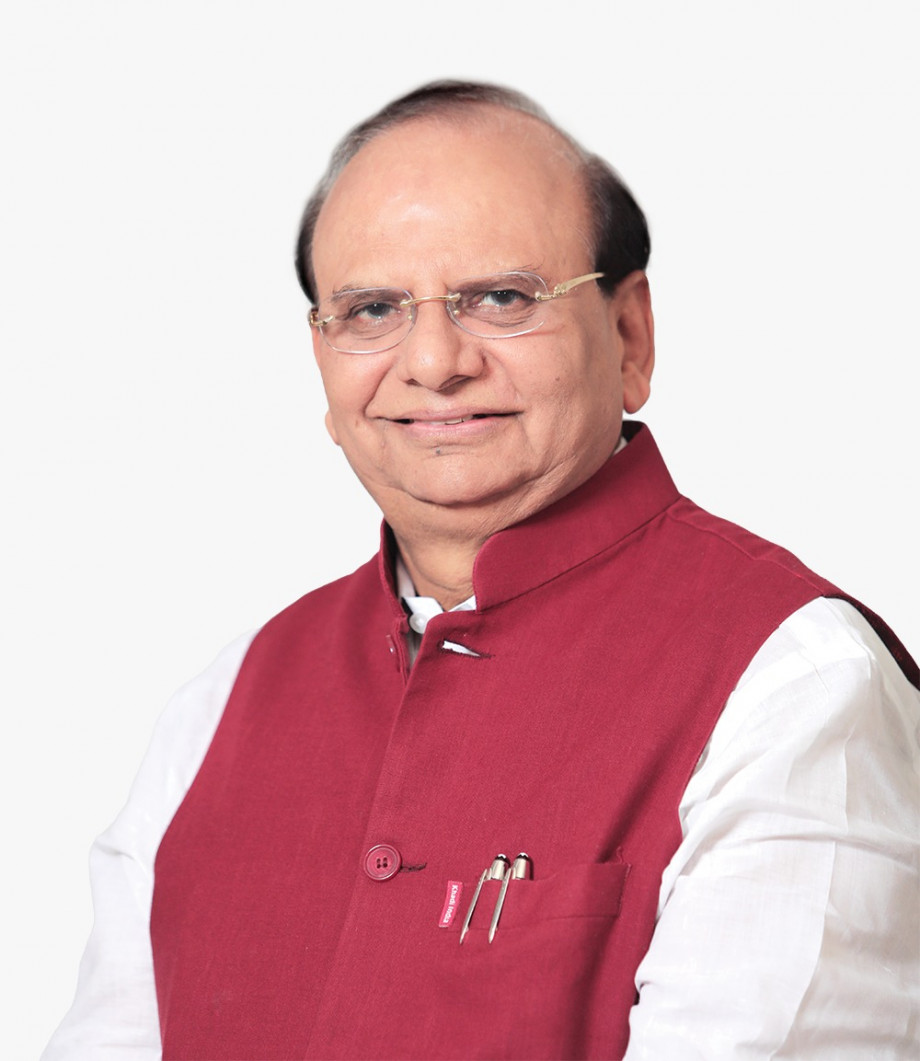
In a landmark decision aimed at addressing long-pending public demand and strengthening grassroots governance, Lieutenant Governor Vinai Kumar Saxena has approved the notification for the creation of five new districts in the Union Territory of Ladakh on April 27.
With this development, the total number of districts in Ladakh has increased from two to seven. The newly created districts are Sham, Nubra, Changthang, Zanskar, and Drass.
The formation of these districts was approved by the Ministry of Home Affairs in August 2024.
The move is expected to significantly enhance administrative efficiency, improve service delivery, and fulfil the long-standing aspirations of people, particularly those living in remote and far-flung areas.
Describing the decision as “historic,” Saxena said it would usher in a new era of inclusive development by ensuring efficient delivery of services at people’s doorsteps. He added that the move aligns with Prime Minister Narendra Modi’s vision of a developed and prosperous Ladakh, envisioned after it became a Union Territory in 2019.
Of the five new districts, Nubra (headquarters: Diskit), Sham (Khaltse), and Changthang (Nyoma) have been carved out of Leh district, while Zanskar (Padum) and Drass (Drass-Ranbirpura) have been carved out of Kargil district.
Following the notification, territorial limits of all seven districts have also been defined. Leh district will now comprise 44 revenue villages, Nubra 30, Changthang 24, Sham 27, Zanskar 26, and Drass 19, while Kargil district will have 80 revenue villages.
Highlighting the significance of the decision, the Lieutenant Governor said it underscores the Government of India’s commitment to unlocking Ladakh’s potential and ensuring balanced, inclusive, and sustainable development.
Ladakh, one of India’s largest Union Territories by geographical area, has long faced administrative challenges due to its difficult terrain, sparse population, and remote settlements. The creation of additional districts is expected to decentralise governance, reduce travel distances—often exceeding 300 kilometres—and ensure quicker delivery of public services.
The move is also likely to generate employment opportunities through the establishment of new administrative offices, infrastructure, and allied services, thereby boosting local employment, entrepreneurship, and economic growth.
Notably, the MHA had directed the Ladakh administration in August 2024 to constitute a committee to examine various aspects of district formation. The committee conducted extensive consultations and field visits before finalising its report.
-
 Reach Ladakh Skara Yokma, Airport Road, Near Councillor Quarter, India.


© 2018 Reachladakh. All rights reserved.
Web designs By : India Internet