


GDC Zanskar organises sensitisation programme on Himalayan Environment and Climate change
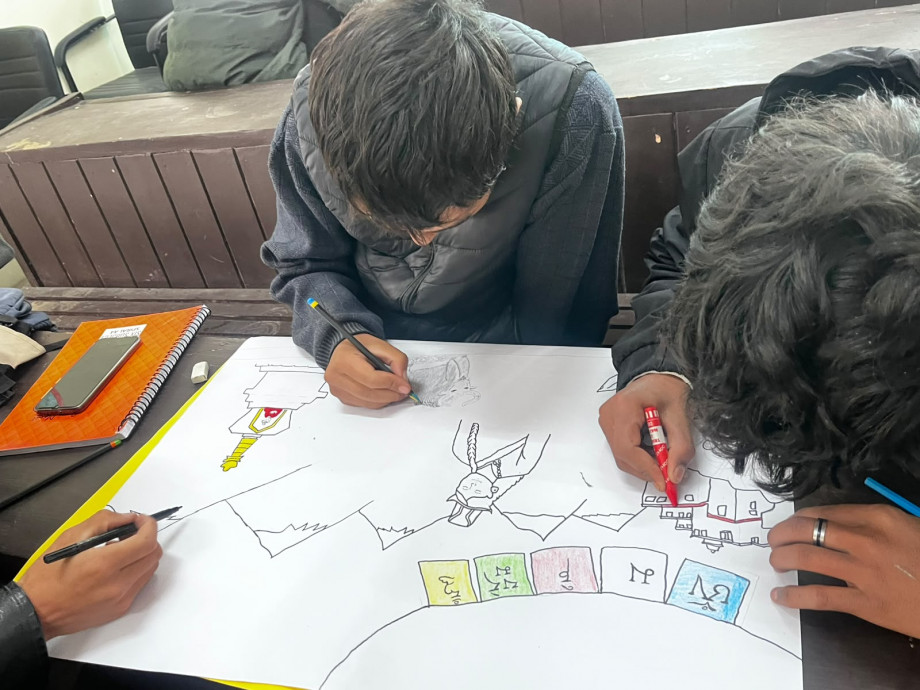
Government Model Degree College Zanskar organised a student sensitisation programme on November 12 to highlight the changing Himalayan environment, climate-related challenges and their implications for local communities. The programme was held under the patronage of Principal Dr. Amjad Ali Abassi.
The programme aimed to sensitise students from different schools about emerging environmental, geological and socio-economic challenges facing the Himalayan region, particularly the fragile mountain ecosystems of Ladakh and Zanskar.
The sessions covered six major areas of concern, including receding glaciers, changing water resources, landslides and floods, impacts on agriculture and biodiversity, implications for human lives and local communities, and the development of road and tunnel connectivity and its potential impact on tourism, communities and the environment.
Geologists Bindra Thusu and Sumit Singh participated as experts and shared their knowledge and perspectives on the changing Himalayan landscape and the challenges arising from environmental and geological transformations. Their interaction provided students with valuable insights into mountain ecosystems, climate change and the importance of sustainable development.
Students from various schools participated in the programme and gained awareness of the interconnected nature of these challenges. Emphasis was laid on developing scientific understanding, recognising local environmental vulnerabilities and promoting responsible development and community participation.
The programme highlighted the importance of educating young minds about the environmental sensitivity of the Himalayan region and encouraging informed thinking on conservation, disaster preparedness and sustainable development.
The initiative, conducted under the guidance of Principal Dr. Amjad Ali Abassi, reflects Government Model Degree College Zanskar's commitment to extending scientific awareness beyond the classroom and engaging students in issues of regional and societal importance.
-
 Reach Ladakh Skara Yokma, Airport Road, Near Councillor Quarter, India.


© 2018 Reachladakh. All rights reserved.
Web designs By : India Internet