


31 ancient petroglyphs relocated to India’s first petroglyph conservation park in Leh
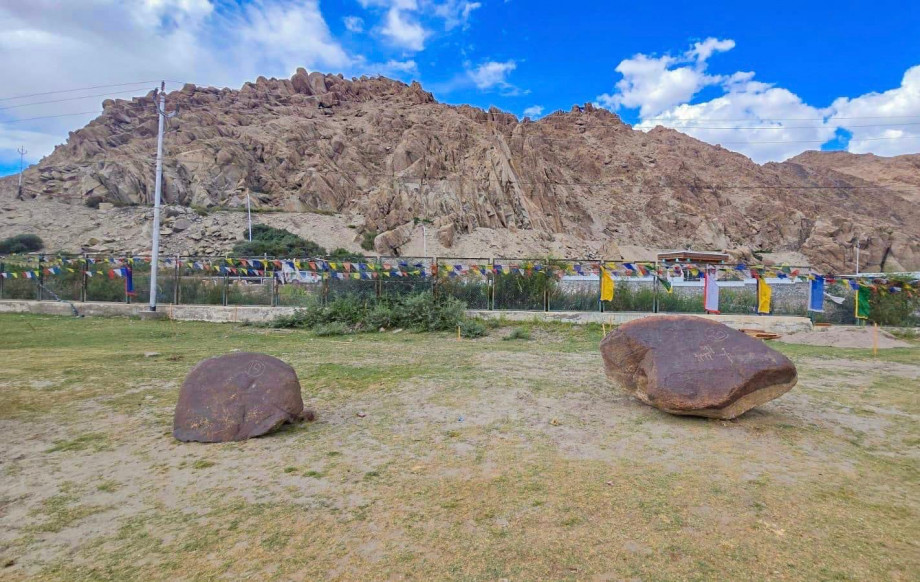
Work on India’s first Petroglyph Conservation Park at Sindhu Ghat in Leh has begun in full swing, with the systematic relocation of petroglyphs (ancient rock art) from vulnerable sites across Ladakh. The initiative marks a historic step towards preserving the region’s priceless archaeological and cultural heritage.
On April 18, on the occasion of World Heritage Day, Lieutenant Governor of Ladakh Vinai Kumar Saxena laid the foundation stone of the Petroglyph Conservation Park. The dedicated conservation facility aims to protect centuries-old rock carvings that face growing threats from natural weathering, unregulated tourism, infrastructure development, human interference and lack of awareness.
The park will house petroglyphs collected from vulnerable and isolated locations across Ladakh, ensuring their preservation for future generations while making them accessible to visitors through a curated and educational setting. The project is targeted for completion by September this year.
So far, 31 petroglyphs from Saboo Thang have been relocated to the conservation park. These rock artworks measure between 4 feet and 17 feet in circumference and weigh between 500 kilograms and 10 tonnes. The carvings predominantly depict Ladakh’s distinctive wildlife, including ibex, yak, argali, blue sheep and dogs, along with scenes of hunting, hunters, warriors, footprints and other symbolic representations.
The distribution of these carvings also reflects Ladakh’s ecological diversity. Ibex depictions are commonly found in the lower valleys of Sham and Purig, while yak and argali figures are more prevalent in the high-altitude Changthang region.
The first phase of conservation work includes the relocation of 155 petroglyphs from various locations. These include 13 from Phyang Thang, 30 from Stakmo Thang, 28 from Likir Hill, 14 from Likir Thang, 10 from Taru Thang, besides others from Thiksey, Igoo, Ganglas, Khaltse, Saspol, Ranbirpur, Nimoo, Spituk, Tsogsti and several other sites.
The invaluable artefacts are being carefully shifted and curated at Sindhu Ghat to ensure their long-term preservation. An interpretation centre is also being established at the park to promote research, education and public appreciation of Ladakh’s ancient rock art heritage.
“The Petroglyph Conservation Park is a historic initiative to preserve Ladakh’s priceless archaeological heritage for future generations. By relocating vulnerable petroglyphs to a scientifically managed conservation park, we are protecting an invaluable chapter of India’s civilisational legacy from the threats of natural degradation and human activities. This initiative reflects our commitment to preserving Ladakh’s unique cultural heritage while creating a world-class centre for heritage education, research and responsible cultural tourism,” said Lieutenant Governor Saxena.
Ladakh is regarded as one of the richest repositories of prehistoric rock art in South and Central Asia. Spread across altitudes ranging from 2,500 metres to over 5,000 metres, these petroglyphs provide a remarkable visual record of the region’s early human history and cultural evolution.
-
 Reach Ladakh Skara Yokma, Airport Road, Near Councillor Quarter, India.


© 2018 Reachladakh. All rights reserved.
Web designs By : India Internet