


In Conversation with Tsering Ladol: A Young Shepherd’s Perspective
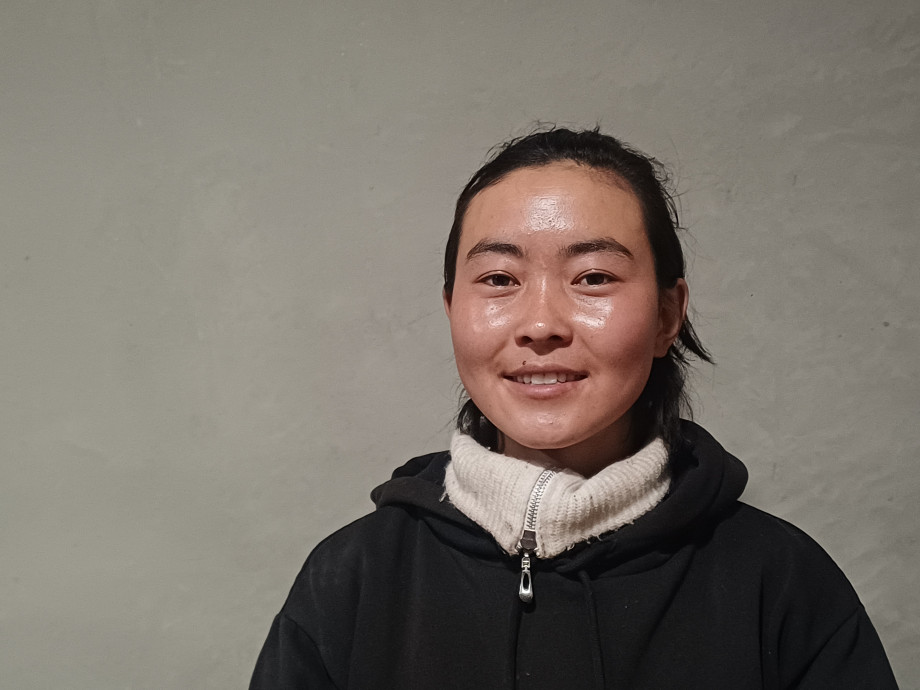
Q. Brief us about yourself.
Jullay, and thank you for having me. I studied at the school in Kungyam village up to Class 8, and then continued my studies for two years in Liktsey. After that, I completed my higher secondary education at Government Boys Higher Secondary School, Leh.
I later had the opportunity to pursue higher education in Bangalore, where I completed my graduation in B.Com. After graduating, I found myself confused and uncertain about what to do next, without a clear direction. I decided to return home, thinking I would figure things out while staying with my parents.
This was during the COVID-19 pandemic, and I spent most of my time at home helping my family. My parents rear livestock, and supporting them in household chores and in taking care of goats and sheep gradually became an important part of my life. For the past three to four years, I have been actively helping my parents in this work.
Q. What is your opinion on the status of livestock rearing in Kungyam village and in Rong Valley?
When I was younger, I remember that most households in Kungyam village kept goats and sheep—almost 40 to 50 animals per household. The same situation existed across Rong Valley. However, over time, this tradition has gradually faded. Today, in my village, my family is the only one still rearing goats and sheep.
I feel that the decline in livestock rearing is mainly due to the availability of other income-generating options that require less hard work. Livestock rearing is physically demanding; it involves taking animals to the mountains every day for grazing, caring for them, and managing many responsibilities. In comparison, the income generated is relatively low, which discourages people from continuing this practice.
As a result, livestock rearing has steadily declined, and today almost everyone in Rong Valley has abandoned it. Additionally, the role of a shepherd is no longer considered respectable by society, and people prefer to pursue government jobs or other occupations instead.
Q. Since you have been a shepherd for 3 to 4 years and have closely experienced the environment, how do you feel about the importance of promoting livestock rearing, and what can be done to promote it?
Based on my experience, I feel happy living with animals and leading a village life. Away from the hustle and bustle of city life, there is a deep sense of peace in living with these innocent animals. I strongly feel that it is important to continue livestock rearing in villages. However, as more people abandon this lifestyle, even those who continue begin to feel discouraged and eventually consider giving it up. Even my parents now think of leaving livestock rearing, as they feel it brings little benefit and involves extra work.
I believe that awareness, along with the introduction of new practices and ideas, can help promote livestock rearing. Although there are certain government schemes, a more practical and community-based approach is needed. For example, a group of households could collectively rear livestock, focus on value addition, and work together on marketing animal products. This would help increase income opportunities and make livestock rearing more sustainable and attractive for villagers.
Q. We have seen many educated youths, after studying in big cities, find it difficult or feel reluctant to spend time in villages. You have also studied in Bangalore—what made you choose to spend your time as a shepherd?
Since childhood, I have lived with my family in the village, which is why I feel deeply attached and connected to it. Life in the city makes me feel hopeless, as if my time is being wasted. In contrast, when I help my parents and live with goats and sheep, I feel that I am doing something productive and meaningful.
More than anything else, being with the animals gives me happiness. A turning point came when filmmaker Stanzin Dorjay Gya interviewed me. That experience changed many things for me. After the interview, I was invited to several seminars and workshops, which helped me realize that village life and its lifestyle have their own importance. There are many possibilities and meaningful opportunities within rural life—not all opportunities are limited to towns and cities.
This realization has made me feel proud of my roots. Even if I work in a city in the future, I will always make sure to balance my professional life with my village life.
Q. Most interestingly, you are vegan, and very few people in Ladakh follow veganism. What would you like to say about it?
My brother is a vegan and works as an activist. After listening to him and understanding his perspective, I also became vegan. Many people asked me how I could take such a big decision, but for me, it did not feel like a major decision—it came naturally.
The concept of veganism is not very popular in Ladakh, and even my family members sometimes tell me that I am doing something that is not traditionally taught by spiritual leaders. However, the animal products we consume today often come with a different reality behind them. In many cases, animals are not taken good care of and are subjected to cruelty and suffering.
I know that my decision alone may not bring immediate change, but I believe it can help raise awareness and educate others about the brutality that animals face. Even small steps can contribute to creating compassion and understanding over time.
Q. Many people talk about climate change at all levels. You have been taking livestock into the mountains for many years—what changes have you observed, and do you believe climate change is real?
Yes, it is real. Over the years, I have witnessed many noticeable changes. The areas where I used to take my goats for grazing during winter now have much less ice than before, whereas in some recent years the patterns have been unpredictable. Seeing these changes makes me feel sad and concerned.
Earlier, winters used to feel much colder, but every year the days are getting warmer. While many people feel happy when winters are warmer, I do not see this as a positive sign. These changes indicate that something is wrong with our environment, and people need to be aware of and understand the seriousness of climate change.
Q. What are your plans for the future?
As of now, my plan is to continue rearing livestock and helping my parents. At the same time, I am also preparing to try for a government job, as my parents and family members expect me to pursue something beyond this.
One thing is very clear to me: whatever I do in the future, I will make sure to maintain a balance between my professional life and my village life.
Message to the Readers
Village life, traditional livelihoods, and living close to nature still have deep value. True progress is not only found in cities but also in simplicity, balance, and respect for the environment. I hope especially the youth take pride in their roots and see meaning in sustaining our traditions.
-
 Reach Ladakh Skara Yokma, Airport Road, Near Councillor Quarter, India.


© 2018 Reachladakh. All rights reserved.
Web designs By : India Internet