


In Conversation with Tsering Dorjay, President, Zanskar Buddhist Association
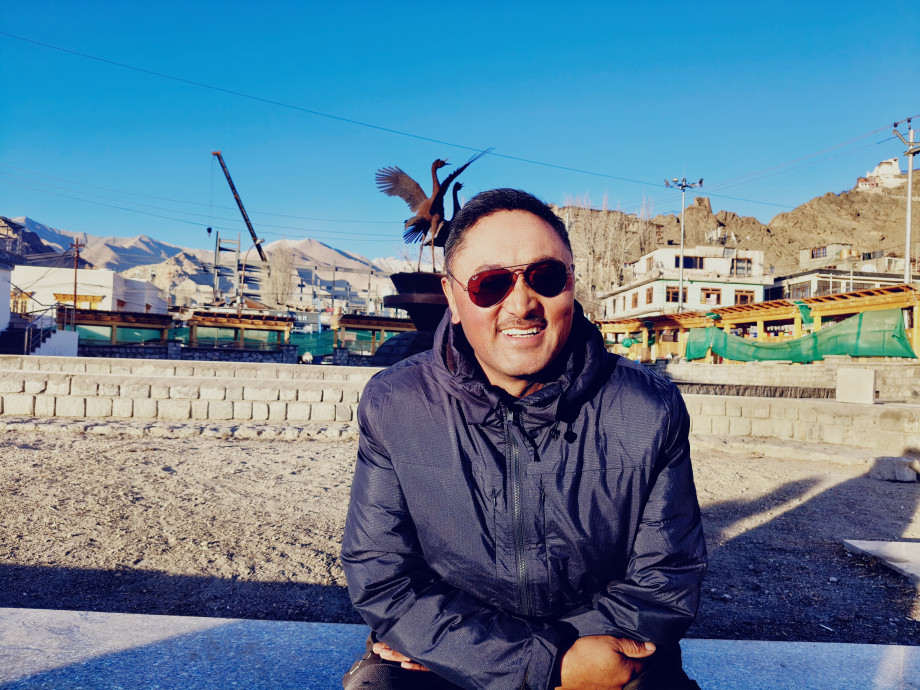
Q. Congratulations on becoming the President of the Zanskar Buddhist Association. Could you please tell us about yourself?
Thank you for having me. I come from Skyagam village in the Zanskar region. I served in the Ladakh Scouts for 30 years, a journey that instilled in me the importance of service, integrity, and collective effort, especially while working in some of the most challenging terrains and conditions in the country.
I retired from active service in June 2023. Following my retirement, I felt a strong sense of duty to continue serving my community. I was entrusted with the responsibility of Goba (Village Head), where I worked closely with villagers on local governance, welfare issues, and community development. In November 2023, I was also elected as the President of the Zanskar Ex-Servicemen Association, where I have been representing the concerns and interests of veterans and their families.
On December 1, 2025, I was elected as the President of the Zanskar Buddhist Association. I consider this role a great honour and responsibility. My life experiences—both in uniform and in community leadership—have prepared me to work for unity, preservation of our cultural and spiritual heritage, and the overall welfare of the people of Zanskar.
Q. What are your plans and priorities as President of the Zanskar Buddhist Association?
First of all, I would like to express my heartfelt gratitude to the people of Zanskar for placing their trust in me and electing me as the President of the Zanskar Buddhist Association. This responsibility comes with great expectations and a deep sense of accountability.
During my three-year tenure, my foremost priority will be to strengthen and sustain communal harmony between the Muslim and Buddhist communities of Zanskar. Peaceful coexistence and mutual respect are essential for the social and cultural fabric of our society.
Secondly, I will focus on the preservation and promotion of Zanskar’s rich Buddhist heritage, for which the region is widely known. This includes safeguarding monasteries, traditional practices, and cultural values, while also encouraging younger generations to stay connected with their spiritual roots.
I will also work in close coordination with the Ladakh Buddhist Association (LBA) to ensure alignment on matters of common interest and to collectively address broader social, cultural, and religious concerns.
Additionally, the Zanskar Buddhist Association will endeavour to invite respected spiritual leaders, Rinpoches, and scholars to Zanskar for teachings, discourses, and interactions. These initiatives aim to inspire positive inner transformation, promote ethical values, and contribute to the creation of a more compassionate and harmonious society.
Q. With rapid development in road connectivity, Zanskar is witnessing economic growth. At the same time, what changes and concerns do you foresee for its culture and heritage?
If we look back 10 to 15 years, the people of Zanskar faced immense hardships due to poor road connectivity, especially during the winter months. Travelling to Leh was extremely difficult, and I personally remember the struggles and risks involved in such journeys. However, over the last four to five years, there has been remarkable improvement in road and telecom connectivity, which has significantly eased daily life for the people.
Along with these positive developments, we have also witnessed rapid changes in our society. Improved connectivity has led to a substantial increase in tourism, bringing economic opportunities and exposure. At the same time, this has also posed challenges to our traditional culture, values, and way of life. People from different parts of the country and the world are visiting Zanskar, and their influence—if not managed carefully—can gradually affect local traditions and social norms. In recent months, these changes have become increasingly visible.
While development has undoubtedly made life more comfortable and accessible, it is equally important to remain conscious of its negative impacts. There is a strong need to create awareness among the people, especially the youth, about preserving our cultural identity while embracing progress.
The opening of road connectivity from Himachal Pradesh has also raised concerns about the possible influx of drugs and other illicit substances into the region. This poses a serious threat, particularly to the younger generation. In the past, awareness initiatives have been undertaken to educate people about these dangers and the ways to prevent and control such issues. Going forward, continued vigilance, community participation, and collective responsibility will be crucial to safeguard Zanskar’s social fabric, culture, and future generations.
Q. How does the Zanskar Buddhist Association plan to function neutrally without the influence of political parties in Zanskar?
The political landscape in Ladakh has undergone significant changes compared to the past. In view of these developments, representatives from all sections of society—including Goba (village heads), youth, women, and monastery representatives—have collectively resolved to keep the Zanskar Buddhist Association completely free from political influence.
The ZBA will function as a purely socio-religious and cultural body, guided by community welfare rather than political interests. Its members are committed to working solely for the betterment of the Buddhist community in Zanskar, with a focus on social harmony, cultural preservation, and spiritual growth.
By maintaining this collective understanding and discipline, the ZBA aims to uphold neutrality, inclusiveness, and trust, ensuring that its decisions and actions remain in the larger interest of the community and the region.
Q. What is the Zanskar Buddhist Association’s stand on Ladakh’s safeguard demands and its support to the Apex Body Leh and Kargil Democratic Alliance (KDA)?
The Zanskar Buddhist Association has consistently stood in support of Ladakh’s safeguard demands. Whenever we were called upon to participate in shutdowns, rallies, or peaceful movements for Ladakh’s rights, the ZBA has extended its full support and solidarity.
We also stand in solidarity with those who lost their lives, as well as with the injured and detained during the unfortunate incident of September 24. Their sacrifices and suffering will always be remembered as part of Ladakh’s collective struggle.
Regarding the absence of representation from Zanskar in the Apex Body or the Kargil Democratic Alliance, I would like to clarify that I have only recently assumed charge as President of the ZBA. Therefore, it would be premature for me to comment on this matter at this stage. However, this issue will be discussed and deliberated upon collectively by the people of Zanskar, including senior leaders, representatives of the ZBA, and other community stakeholders, to decide whether formal representation is required.
The primary focus of the people of Zanskar remains the long-pending demand for district status. This is a struggle that the people of Zanskar have pursued for more than 70 years. While the announcement for district status has been made, its implementation is still awaited. We sincerely hope that the district is formally established at the earliest.
Following the implementation of district status, we will also raise the demand for a separate Council for Zanskar, so that the region can have dedicated administrative representation and address its unique developmental, cultural, and governance needs.
Q. What is the Zanskar Buddhist Association’s stand on the September 24 violence that resulted in deaths, injuries, and arrests?
The events of September 24 have left a deep scar on the hearts of the people of Ladakh, one that will never be forgotten. The loss of four young lives due to bullet injuries, the death of another youth who died by suicide, the dozens who were injured, and the arrest of many people—including Sonam Wangchuk under serious charges—have deeply pained the entire region.
The struggle of the people of Ladakh for their legitimate rights and safeguards will always be remembered, and so will the sacrifices made during this movement. We pray that such tragic incidents are never repeated in the future.
It is the collective responsibility of the administration, the government, and all leadership—political and social—to ensure that such situations do not arise again and that dialogue and peaceful engagement remain the path forward.
The Zanskar Buddhist Association stands in full solidarity with all those who lost their lives, those who were injured, and those who suffered arrests during this unfortunate incident.
Message to the Readers
“As the President of the Zanskar Buddhist Association, I sincerely appeal to all members of the Buddhist community to remain united and steadfast. Let us continue to follow the teachings of our revered Rinpoches, which guide us towards compassion, harmony, and wisdom. Through unity, mutual respect, and adherence to our spiritual values, we can strengthen our society.”
-
 Reach Ladakh Skara Yokma, Airport Road, Near Councillor Quarter, India.


© 2018 Reachladakh. All rights reserved.
Web designs By : India Internet