


In Conversation with Deachen Chamga, President, All Ladakh Moravian Christian Association
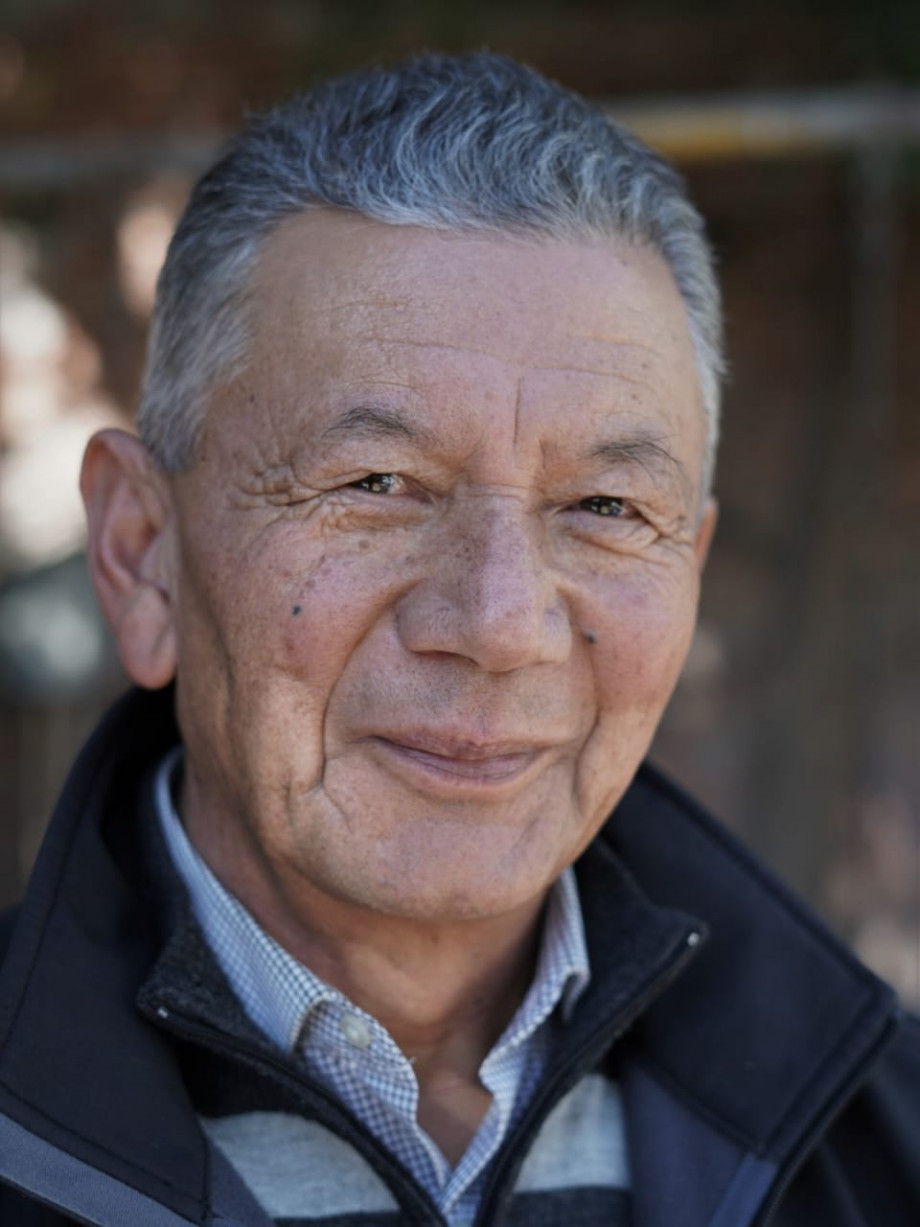
Q. Tell us about the Moravian Christians of Ladakh, their origin, arrival, and contributions to the region.
The Moravians are a historic Christian community with roots in Central Europe. Their history goes back to the 15th century in Bohemia and Moravia (present-day Czech Republic), where they emerged from the reform movement of Jan Hus. They were known as the Unity of the Brethren and emphasized faith in Jesus Christ, the importance of the Bible, community life, education, and service to humanity. Due to religious persecution, many Moravians were forced to leave their homeland, but they preserved their faith and traditions. In the 18th century, they established a new centre at Herrnhut in Saxony, Germany, from where the modern Moravian missionary movement expanded across the world.
The Moravians played an important role in the history of Christian missions. They travelled to some of the most challenging and remote regions of the world, including Greenland, the Caribbean, Africa, and other parts of Asia. Their mission was not only to spread Christianity but also to provide education, healthcare, and social service to local communities.
The arrival of the Moravians was also connected with the broader history of Christianity. The Great Reformation of 1517, led by Martin Luther, became a significant turning point in Christian history. It encouraged the translation of the Bible and Christian writings into local languages, allowing more people to access religious texts. Before this period, the Bible was mainly available in Latin, which limited understanding among ordinary people. The Reformation led to the growth of different Christian traditions, including Protestant churches.
The Moravians reached India in 1853 and later came to Ladakh in 1885. The first missionaries associated with the Ladakh mission included Wilhelm Heyde and Edward Pagell, who began their work in the Himalayan region. They established their mission in Leh and built the Moravian Church in 1885, which remains an important historical landmark.
In Ladakh, the Moravians contributed significantly in fields beyond religious activities. They established schools, provided medical services, studied local languages, and worked on translating Christian texts into Tibetan. Their educational and social initiatives played an important role in the development of the region. Although Christianity remained a small community in Ladakh, which has a predominantly Buddhist population, the Moravians gained respect for their service, dedication, and contribution to education and healthcare.
Today, Moravian churches and institutions continue their service in places such as Leh, Shey, and Khalatse, carrying forward their tradition of faith, education, peaceful cooperation, and community service.
Q. How many Christians are there in Ladakh, and what is your view on the identity and challenges faced by the Moravian Christian community?
The Christian community in Ladakh is a small community. We are around 300 to 400 Christians in the region. I have heard statements from some political leaders claiming that there are around 3,000 to 4,000 Christians in Ladakh, but this figure is factually incorrect and creates a misleading impression about our community.
The Christian population in Ladakh is very small and can be counted on one’s fingertips. Our long presence in Ladakh itself shows that we have always lived peacefully with other communities. The Moravian Christians have been in Ladakh for more than 140 years, and throughout this period we have maintained harmony, mutual respect, and cordial relations with people of all faiths. Our belief has never been about forcing or misleading anyone into becoming a Christian. We have always focused on faith, service, education, and peaceful coexistence.
The All Ladakh Moravian Christian Association was formed recently following certain internal issues within the community and an ongoing legal matter. Earlier, Christians in Ladakh were represented under the Christian Association of Ladakh, and the registration process of the All Ladakh Moravian Christian Association is currently underway.
There have been some differences regarding the administration and leadership of the Moravian Church in Leh. Earlier leadership decisions and the involvement of individuals from different Christian traditions created disagreements within the community. According to our understanding, certain practices and leadership arrangements were not in accordance with Moravian traditions, which led to concerns among local Moravian Christians. The matter is currently before the court.
We believe that the Moravian Church in Ladakh should continue to follow its original traditions and that the voices of the local Moravian Christian community should be respected. We aim to preserve our heritage, maintain unity among Christians, and continue the long tradition of peaceful service that the Moravians have followed in Ladakh for more than a century.
Q. As a minority community in Ladakh, what challenges do Christians face in terms of social and political representation?
As Christians in Ladakh, we have generally not faced major challenges in our daily lives as a minority community. We have always lived peacefully and maintained good relations with people of all communities. However, like minority communities elsewhere, representation and recognition in matters of development and decision-making are important concerns.
Since the Christian population in Ladakh is very small and spread mainly across Leh, Shey, and Khalatse, our numbers do not create a significant impact in the political system. Because of this, we sometimes feel that our voices and concerns do not receive enough attention.
I believe that political representation also depends on the leadership of the community. A capable and responsible leader can help ensure that the concerns of a small community are heard and that its contributions and needs are recognized. Our aim is not only to seek representation but also to continue contributing positively to the social and cultural development of Ladakh while maintaining harmony with all communities.
Q. At a time when Ladakh is going through important changes, what message would you like to give regarding unity and the future of the region?
Unity in Ladakh is of utmost importance, especially at a time when the region is going through significant challenges and crossroads. For the past six years, we have been demanding safeguards for Ladakh to protect its identity, culture, environment, and future. During this period, we have witnessed many changes, developments, ups and downs.
At this crucial juncture, all communities need to set aside differences and work together for the betterment of Ladakh. Our focus should be on the future of the region and the coming generations, not only on the concerns of today.
The decisions we make now will shape the Ladakh that our children and future generations will inherit. Therefore, unity, mutual respect, and collective responsibility are essential to protect and build a peaceful and prosperous future for Ladakh.
Message to the readers
Unity is the greatest strength of Ladakh. At this important time, we must set aside our differences and work together to protect the identity, culture, and future of our region. The decisions we make today are not only for us but for the generations to come.
-
 Reach Ladakh Skara Yokma, Airport Road, Near Councillor Quarter, India.


© 2018 Reachladakh. All rights reserved.
Web designs By : India Internet