


Black-necked crane population in Ladakh rises to 108, records 25% growth in 2026 L-G VK Saxena appreciates environment protection force, local communities for conservation efforts
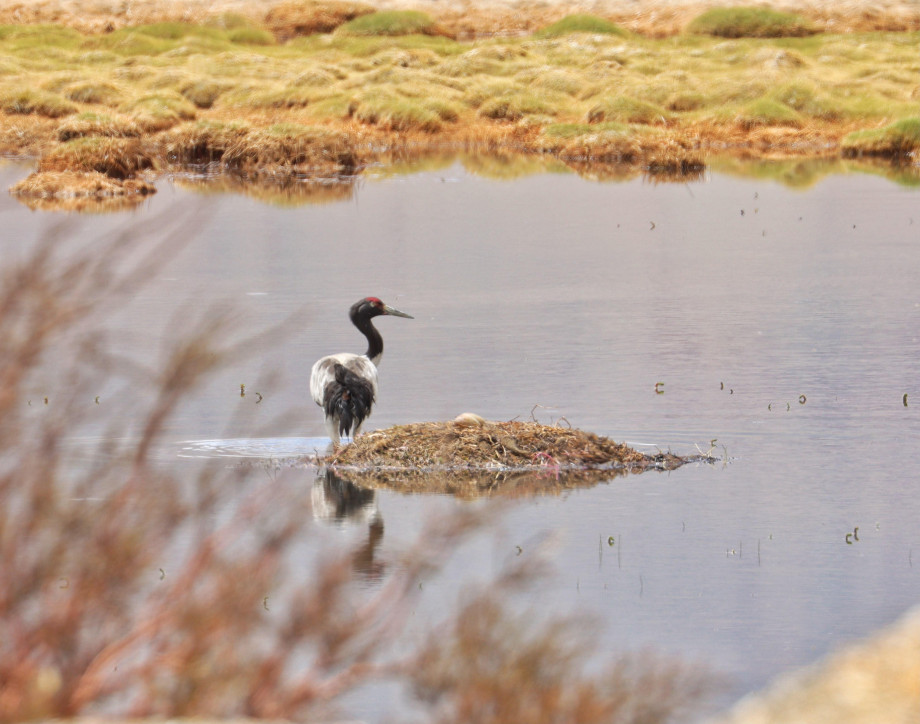
In a significant boost to wildlife conservation in Ladakh, the population of the endangered Black-necked Crane, the State Bird of Ladakh, has reached 108 in 2026, registering an increase of nearly 25 per cent from 87 recorded in 2025.
According to the 2026 breeding-season checklist, the count includes 86 adult Black-necked Cranes and 22 juveniles, compared to 70 adults and 17 juveniles recorded in 2025.
Among the surveyed breeding sites, Chushul recorded the highest number with 16 birds, followed by Tsokar and Kargyam with 15 each, and Korzok with 14. Together, these four sites accounted for 60 birds, representing nearly 56 per cent of the total population recorded across the Changthang region.
The latest figures reflect a steady rise in the recorded adult population between 2021 and 2025, with an average annual growth rate of approximately 12.9 per cent.
The 2026 survey also recorded 22 juveniles, up from 17 in 2025, indicating continued breeding activity across the region. The number of juveniles has increased from nine in 2021, although it had dropped to seven in 2022.
Lieutenant Governor VK Saxena appreciated the dedicated efforts of the Environment Protection Force (EPF), particularly the ex-servicemen inducted into the Force, for protecting the nesting sites, eggs and hatchlings of the Black-necked Crane from threats posed by free-ranging dogs.
He noted that the Force has played an important role in strengthening on-ground conservation efforts and safeguarding the fragile habitats of Ladakh's wildlife.
The L-G also commended local communities, particularly the youth, for their active participation in conservation initiatives and their contribution towards protecting Ladakh's ecological heritage. He expressed confidence that the population of Black-necked Cranes would continue to increase in the coming years.
Describing the achievement as a matter of pride for Ladakh, Saxena said, “This is a monumental milestone for Ladakh and a matter of immense pride for all of us. The Black-necked Crane is not merely our State Bird; it is a cherished symbol of Ladakh's unique ecological heritage. The encouraging rise in its recorded numbers reinforces our resolve to protect this magnificent species and its natural habitat.
“The Ladakh Environment Protection Force has particularly helped protect nests, eggs and hatchlings from the serious threat posed by free-ranging dogs. Protecting our wildlife and fragile ecosystems is a shared responsibility, and we must ensure that this natural heritage is preserved for generations to come.”
Earlier this year, the UT Administration organised the first-ever Black-necked Crane Festival to raise awareness about conserving the State Bird and protecting its natural habitat. The festival highlighted the ecological significance of Changthang's high-altitude wetlands and encouraged greater participation of local communities, particularly young people, in wildlife conservation.
-
 Reach Ladakh Skara Yokma, Airport Road, Near Councillor Quarter, India.


© 2018 Reachladakh. All rights reserved.
Web designs By : India Internet